







Description
Most important tour information
- Pickup time
- 4:45 AM – 5:15 AM Pickup window from your accommodation Details: Your exact pickup time or meeting details are sent via WhatsApp no later than the evening before departure.
What is included
Included
- Pre-trek briefing in Cusco
- Pickup from your hotel
- All transportation during the trek
- Entrance to Lares Hot Springs and Maras Salt Mines
- Entrance to Machu Picchu
- Train tickets (Expedition to Aguas Calientes, Vistadome return)
- 2 nights camping with full equipment
- 1 night hotel in Aguas Calientes (3-star)
- Professional English/Spanish-speaking guide
- Chef and cooking team
- Horses to carry gear (up to 8 kg per person)
- All meals during the trek
- Bus up and down to Machu Picchu
- Drinking water during trek
- First aid kit and oxygen tank
Not included
- Sleeping bag, air mattress (available for rent)
- Trekking poles (available for rent)
- Lunch on the last day
- Entry to Huayna Picchu or Machu Picchu Mountain
- Tips for guide, cook, and staff
- Travel insurance
Itinerary
Day 1: Cusco – Lares Hot Springs – Kiswarani – Blue Lagoon
- Starting elevation: Cusco – 3399 m / 11,151 ft
- Hot springs: 3250 m / 10,662 ft
- Campsite (Blue Lagoon): 3900 m / 12,795 ft
- Hiking distance: 10 km / 6 miles
- Duration: ~4 hours
Morning: Pick-up at 4:30 am from your hotel in Cusco. Drive to Calca market and then to Lares Hot Springs. Relax in the pools and enjoy breakfast.
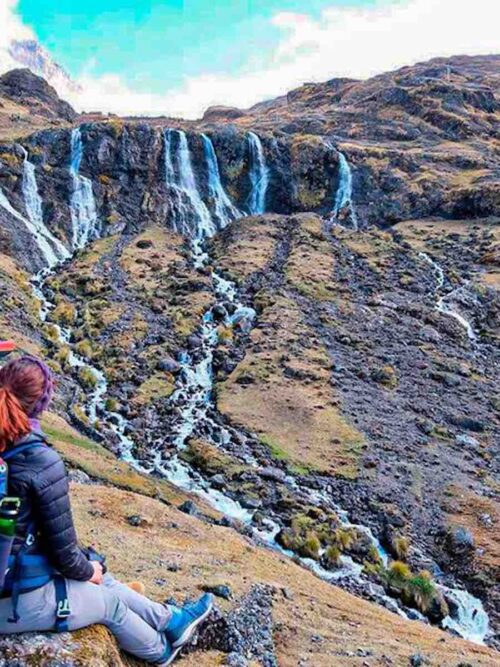
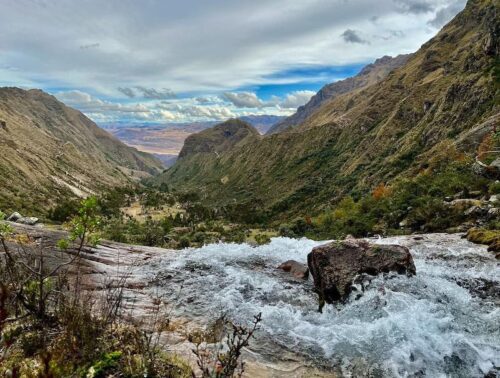
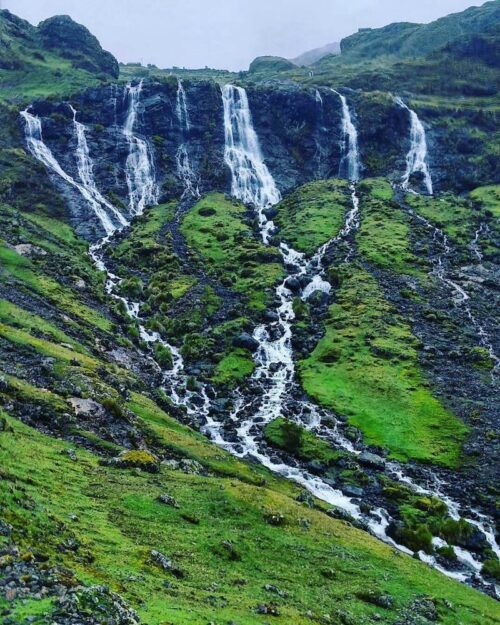
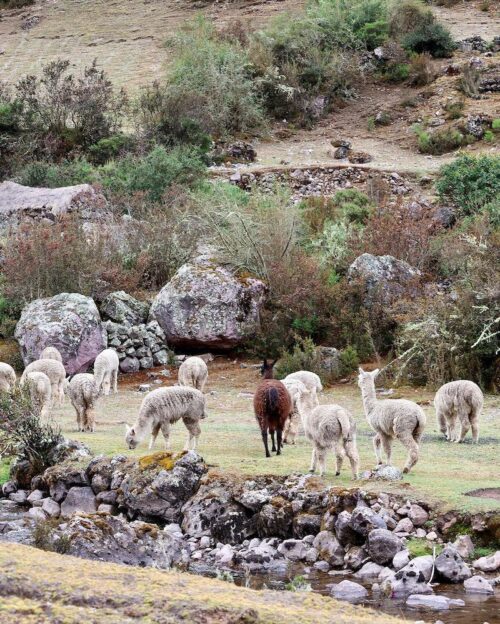
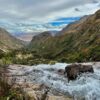
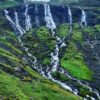
Afternoon: Short drive to Pampacorral. Hike 2 hours to Kiswarani for lunch, then 2 more hours to Blue Lagoon campsite. Pass waterfalls, potato fields, llamas, and alpacas.
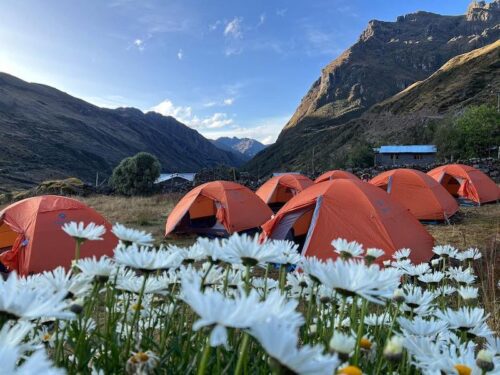
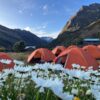
Evening: Tea, dinner, and stargazing at the campsite. Sleep in tents beside the lake.
Day 2: Blue Lagoon – Condor Pass – Canchacancha
- Start elevation: 3900 m / 12,795 ft
- Condor Pass (highest point): 4700 m / 15,354 ft
- Campsite (Canchacancha): 3750 m / 12,303 ft
- Hiking distance: 16 km / 10 miles
- Duration: ~7 hours
Morning: Wake up with coca tea. Breakfast at camp. Hike 4 hours uphill to Condor Pass. Enjoy stunning views and take part in a traditional ceremony.
Afternoon: Descend 2 hours to Acopata for lunch, then continue 2 more hours to Canchacancha village.
Evening: Visit the village, meet locals, and enjoy dinner at camp.
Day 3: Canchacancha – Huaran – Maras – Ollantaytambo – Aguas Calientes
- Start elevation: 3750 m / 12,303 ft
- End elevation (Huaran): 2700 m / 8,856 ft
- Aguas Calientes: 2000 m / 6,561 ft
- Hiking distance: 12 km / 7.4 miles
- Duration: ~4 hours
Morning: Breakfast at camp. Visit local homes and school in Canchacancha. Hike 4 hours downhill to Huaran.
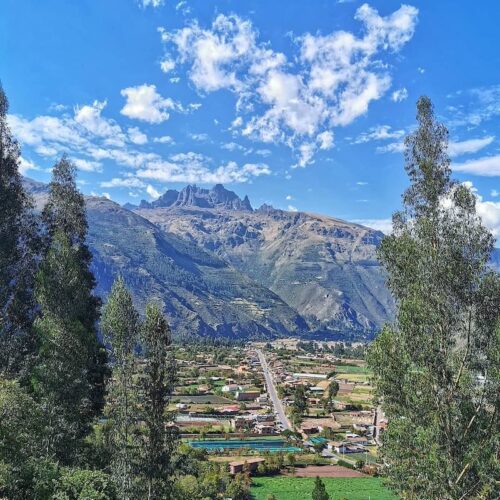
Afternoon: Picnic lunch. Drive to Maras Salt Mines and then to Ollantaytambo for a guided visit.
Evening: Dinner in town. Take the train to Aguas Calientes. Overnight in a 3-star hotel.
Day 4: Machu Picchu – Return to Cusco
- Machu Picchu elevation: 2430 m / 7972 ft
- Return to Cusco: 3399 m / 11,151 ft
- Walking duration at Machu Picchu: ~2–3 hours
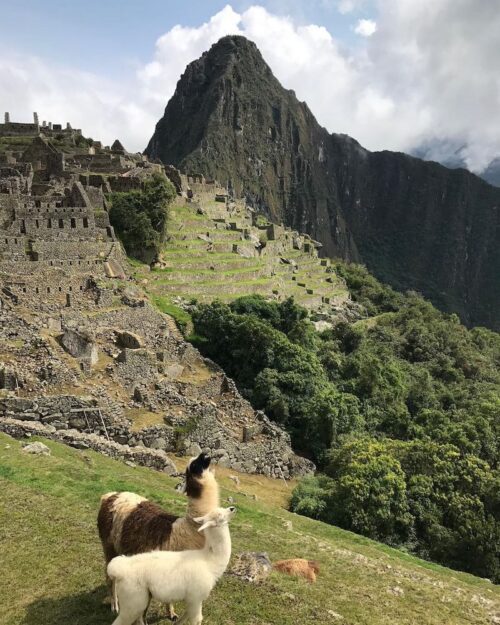
Morning: Early breakfast at the hotel. Take the bus to Machu Picchu. Explore the citadel with your guide. Optional hike to Huayna Picchu or Machu Picchu Mountain (not included).
Afternoon: Free time or lunch in Aguas Calientes (not included). Board the Vistadome train back to Ollantaytambo.
Evening: Private transport to your hotel in Cusco. Arrival around 7:30 pm.
Times are approximate and the order may change with weather, traffic, or local conditions.
Practical information
Trail and tour details
- Difficulty
- Challenging
- Tour duration
- 4 days
Full tour description
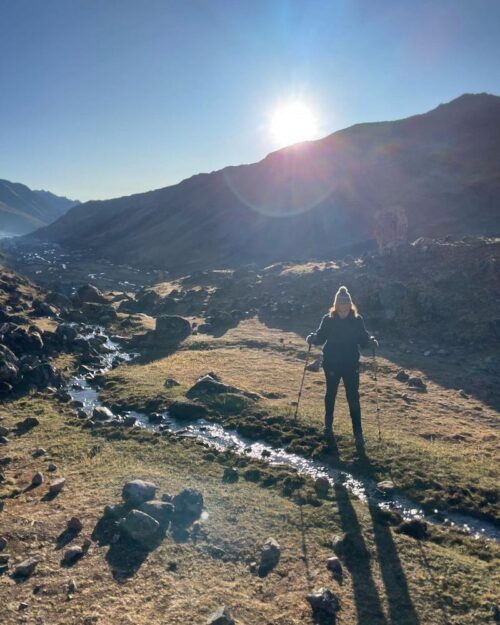
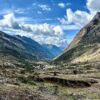
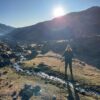
The Lares Trek is a scenic and cultural alternative route to Machu Picchu. This trek takes you through remote Andean villages where people still live in traditional ways. You will hike through peaceful valleys, sleep next to mountain lakes, visit hot springs, and meet Quechua-speaking locals.
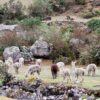
If you want fewer tourists and more contact with local life, the Lares Trek Peru is a great choice. The route is quiet and beautiful. You will walk next to llamas and alpacas, explore the mountains, and end your adventure with a guided visit to Machu Picchu.
This trek is a unique way to connect with nature, history, and culture. The Lares Trail to Machu Picchu is less famous than the Inca Trail, but just as rewarding. Join us for the Lares Trek Machu Picchu and experience the Andes like never before.
Activities included
- Enjoying the Lares hot springs
- Hiking through the Andes
- Meeting local people while visiting local villages and homes
- Spot llamas and alpacas
- Camping beside mountain lakes under skies full of stars
- Visiting the salt pools of Maras
- Exploring Ollantaytambo in the Sacred Valley
- Taking the train to Aguas Calientes from Ollantaytambo
- Touring Machu Picchu with an official, English speaking guide
- Vistadome panoramic train from Aguas Calientes to Ollantaytambo
Lares Trek altitude
The Lares Trek takes you through high mountain landscapes in the Peruvian Andes. The altitude changes each day as you move through valleys, lakes, and mountain passes. The trek starts at the Lares Hot Springs at 3250 meters above sea level. On the second day, you reach the highest point of the trek: Condor Pass at 4700 meters (15,354 feet). This is one of the highest points on any trail to Machu Picchu. After the pass, the route goes down into the Sacred Valley and ends in Aguas Calientes at a much lower altitude. Being well-prepared for the high elevation is important. Spending a few days in Cusco before the trek helps your body adjust.
Lares Trek elevation and elevation gain
The Lares Trek elevation varies from 2700 meters to 4700 meters (8,858 ft to 15,354 ft). The biggest elevation gain happens on the second day when you hike up to Condor Pass. On this day, you climb around 800 to 900 meters, which takes about four hours. The uphill section is tough but rewarding, with amazing views at the top. After this, the trek becomes easier as most of the walking is downhill. Overall, the trek provides a mix of physical challenge and scenic beauty, with peaceful trails far from crowds.
Lares Trek vs Inca Trail
When comparing the Lares Trek vs Inca Trail, both offer unique experiences, but they are very different. The Inca Trail is the most famous route to Machu Picchu, known for ancient Inca ruins and the arrival at the Sun Gate. However, it is often crowded and must be booked many months in advance. In contrast, the Lares Trail to Machu Picchu is quieter and focuses more on local culture. It passes through remote villages where people still live in traditional ways. The Lares Trek does not arrive at Machu Picchu on foot but instead ends with a scenic train ride. It is ideal for travelers who want nature, local interaction, and fewer crowds.
Lares Trek distance
The total Lares Trek distance is around 38 kilometers, or 23.6 miles. The trail is divided into three hiking days before arriving at Aguas Calientes. Each day involves about 4 to 7 hours of walking, depending on the terrain and your pace. The trek includes high passes, valleys, lakes, and traditional villages, offering a variety of scenery over a manageable distance.
Lares Trek temperature
The Lares Trek temperature changes with altitude, time of day, and season. During the day, temperatures are usually between 10°C and 21°C (50°F to 70°F), but mornings and evenings are much colder. At higher camps, nighttime temperatures can drop below 0°C (32°F), especially during the dry season from May to September, when the skies are clear but the nights are often freezing.
In the rainy season, from November to March, temperatures during the day are milder and nights are slightly warmer, but the trail is wetter and clouds more common. April and October are transition months, with mixed weather. No matter the season, it is important to bring layers of clothing, including a warm jacket, thermal base layers, gloves, and a cold-weather sleeping bag. Mornings can be frosty year-round, and the weather in the Andes can change quickly, even in the middle of the day.
Lares Trek accommodation
During the trek, you will spend two nights camping and one night in a hotel. The camping nights take place in remote areas, near lakes or in villages. Tents, sleeping mats, and meals are provided. Campsites include tea time, hot drinks, and warm meals cooked by the trek staff. On the third night, after visiting the salt mines and Ollantaytambo, you stay in a 3-star hotel in Aguas Calientes, the town at the base of Machu Picchu. This mix of camping and hotel stay gives both comfort and adventure during the Lares Trek Peru experience.
More about the Lares region
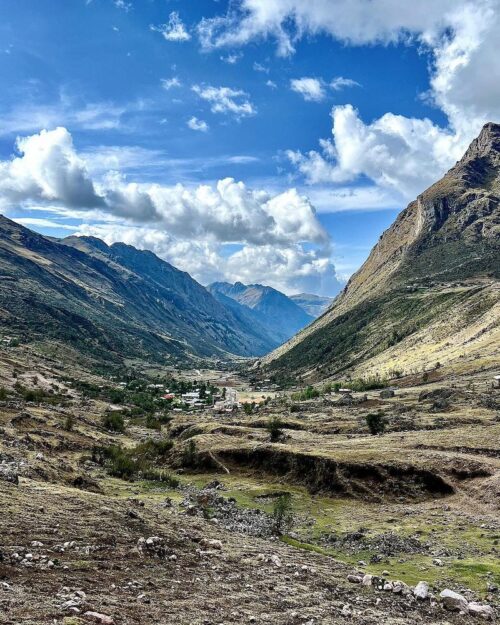
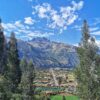
The Lares Valley is a quiet and beautiful part of the Andes Mountains. It is known for its traditional way of life. People in this area still live like their ancestors. Most of them speak Quechua, the old Inca language. They do not have cars or roads in some villages, like Canchacancha, and they use llamas to carry goods. This makes the Lares Trek feel like going back in time. One special place on the Lares Trek Peru route is the Lares hot springs. These warm pools are full of minerals and are believed to help with stress, sore muscles, and pain. As you hike, you will also climb high into the mountains. At Condor Pass, you might see the huge Andean condor flying in the sky. The views of the lakes, valleys, and snow-covered peaks are amazing. The Lares trail to Machu Picchu is open all year and is a great choice if you prefer a quiet, cultural hike. The Lares trek Machu Picchu experience gives you quiet paths, friendly people, and a deep look into life in the Andes.
What to bring
- Original passport (and student ID if applicable)
- Small backpack (25–30 L)
- Reusable water bottle (2L total)
- Warm layers: jacket, thermal underwear, gloves, hat
- Rain jacket or poncho
- Sunscreen, sunglasses, lip balm
- Comfortable hiking boots (broken-in)
- Extra socks and sandals
- Swimsuit (for hot springs)
- Headlamp or flashlight
- Personal medication and basic first aid
- Snacks and energy bars
- Toilet paper, hand sanitizer
- Cash (approx. 600 soles for emergencies or small purchases)
Frequently asked questions
What is the Lares Trek?
The Lares Trek is an alternative trekking route in Peru that takes you through the Andes Mountains. It is known for its quiet trails, beautiful nature, and visits to remote Andean villages. The Lares Trek Peru experience is perfect for travelers who want both adventure and cultural connection. Along the way, you hike with llamas and alpacas, camp near lakes, and meet local Quechua families.
What is the Lares Trek to Machu Picchu?
The Lares Trek to Machu Picchu is a 4-day tour that combines high-altitude hiking with a cultural journey through the Andes. After three days of trekking, you take the train to Aguas Calientes and visit Machu Picchu on the final day. This makes the Lares trail to Machu Picchu a great alternative when the Inca Trail is sold out or closed.
How long is the Lares Trek?
The total distance of the Lares Trek is about 38 kilometers or 23.6 miles. You hike over three days before reaching Aguas Calientes. Each day includes 4 to 7 hours of walking, depending on the terrain. The Lares Trail is shorter than the Classic Inca Trail but still a full trekking experience.
How high is the Lares Trek?
The Lares Trek elevation ranges from 2700 meters to 4700 meters (8856 ft to 15,354 ft). The highest point is Condor Pass, which offers amazing views of lakes and snowy peaks. The altitude makes the Peru Lares Trek a moderate to challenging hike.
How difficult is the Lares Trek?
The Lares Trek is considered moderate to challenging. The high altitude and long walking days can be hard, especially on the second day when you climb to 4700 meters. However, there are no steep stairs or narrow paths like on the Inca Trail. Most travelers in good health can complete the Lares Trek Peru with some preparation and acclimatization.
Can you do the Lares Trek without a guide?
It is possible to do the Lares Trek without a guide, but it is not recommended. The route goes through remote mountain areas with no clear signs or road access. A guide is very helpful for navigation, safety, and to better understand the local culture. Most people book the Lares Trek Peru as part of an organized tour that includes transportation, meals, camping equipment, and entrance tickets to Machu Picchu. If you plan to hike the Peru Lares Trek alone, it’s important to speak Quechua, the local language. Most people in the villages do not speak Spanish well. To truly connect with the local communities and learn from them, having a guide who speaks Quechua makes a big difference.
What is the difference between the Lares Trek and the Inca Trail?
The Lares Trek vs Inca Trail is a common question. The Inca Trail is famous and leads directly into Machu Picchu through the Sun Gate, with Inca ruins along the way. The Lares Trail to Machu Picchu focuses more on remote villages, culture, and mountain views. The Peru Lares Trek ends with a train ride to Machu Picchu instead of arriving on foot. It’s less crowded and often easier to book.
How hard is the Lares Trek?
The Lares trail is physically demanding in parts but does not require technical climbing skills. The hardest day includes a high mountain pass. Still, the route is safe, and the trail is well-maintained. Compared to the Inca Trail, the Lares Trek is less busy and allows for a slower, more peaceful pace.
I heard there are different circuits/routes on Machu Picchu, what are those? which one do I pick?
Yes, there are 3 different circuits on Machu Picchu since the 1st of June 2024. Each circuit is its own route on Machu Picchu and there is definitely a best circuit (circuit 2). We’ve written a great article with all information you need about; New Machu Picchu Circuits 2024 from June 1.