

If you are wondering what to bring to Peru Amazon jungle, this guide will help you prepare for Tambopata, Manu National Park, and Iquitos in the right way.
This guide is based on real experience from organizing Amazon tours in Peru, including Tambopata, Manu, and Iquitos.
Quick answer: what to bring to Peru Amazon jungle
- Lightweight, quick-dry clothing (not bright colored)
- Long sleeves and pants for mosquito protection
- Strong insect repellent (preferably 30%+ DEET)
- Hat and rain poncho or waterproof jacket
- Comfortable walking shoes
- Daypack for daily activities
- Dry bags for electronics
Peru has three very different regions, and each one requires different preparation:
- What to bring to the Peru coast and desert
- What to bring to the Andes in Peru
- What to bring to the Peru Amazon jungle
If you want a complete overview for all regions, read our full guide: what to bring to Peru. In this guide, we focus on the Amazon jungle.
The biggest mistake?
People pack like they are going to a warm city. The jungle is hot, humid, wet, and very natural.
This guide will help you prepare for:
- Puerto Maldonado (Tambopata)
- Manu National Park
- Iquitos
Climate in the Peru Amazon jungle: What to expect year round
The Amazon has a tropical climate all year.
Dry season (May to October)
- Less rain, but still possible
- Warm temperatures (25–32°C)
- High humidity
- Good wildlife visibility
Rainy season (November to April)
- Frequent rain showers
- Trails can be muddy
- Rivers are higher (better for boat travel)
- Still warm and humid
What to expect always
- High humidity (you will sweat)
- Sudden rain
- Warm days and nights
- Early mornings can feel cooler on the river
If your trip includes multiple regions, we recommend reading our full Peru packing guide to prepare for all climates.
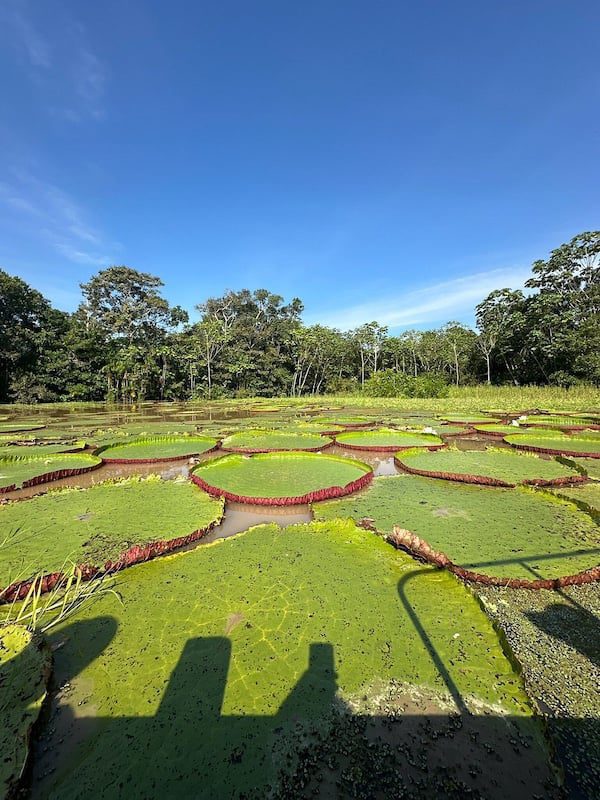
What to bring to Peru Amazon jungle: clothing guide
Clothing (very important)
- Lightweight, breathable clothes
- Quick-dry fabrics (very important)
- Long-sleeve shirts
- Long pants
Why this matters:
Protects against insects, sun, and vegetation.
What NOT to wear
- Heavy clothes
- Clothes with bright colors
- Jeans (stay wet and uncomfortable)
- Cotton shirts (slow to dry)
Colors matter
- Neutral colors (green, brown, grey) → better for wildlife
- Avoid bright colors → can disturb animals
This is one of the most important parts when deciding what to bring to Peru Amazon jungle.
Best footwear for the Peru Amazon jungle
- Comfortable closed shoes (for walking)
- Sandals (for lodge use)
👉 Most of our tours provide rubber boots, which are essential for:
- Mud
- Wet trails
- Rainy conditions
Essential items to bring to the Peru Amazon jungle
Mosquito protection (top priority)
- Strong insect repellent (preferably from your home country)
- Long sleeves and pants
Tip:
High DEET repellents (30%+) are harder to find in Peru.
Sun & weather protection
- Sunscreen (SPF 30–50)
- Hat
- Rain poncho or light rain jacket
Electronics protection
- Dry bags or plastic bags
- Waterproof case for phone
- Power bank
Humidity and rain can damage electronics quickly.
Small daypack
- Water
- Snacks
- Repellent
- Camera
- Rain jacket
What to expect in Amazon Jungle lodges in Peru
Amazon lodges are comfortable, but not luxury hotels.
- Limited electricity (often only certain hours)
- No air conditioning in most lodges
- No or limited WiFi → time to disconnect
- Insects are normal
Important tip:
Keep snacks sealed and place shoes upside down at night.

Health and safety in the Peru Amazon jungle
What to bring
- Personal medication
- Basic first aid
- Electrolytes
Mosquito-borne diseases
Diseases like dengue and malaria exist in the Amazon region.
The risk is generally low for short visits, but protection is important.
→ Use repellent
→ Wear long clothing
Important:
We are not medical professionals. Always consult your doctor before your trip.
Hygiene tips
- Wash hands regularly
- Keep food sealed
- Follow your guide’s instructions
If you are also visiting other regions, check our guides for the Andes and the coast of Peru to prepare properly.
What a typical jungle day looks like
- Early morning boat rides
- Jungle walks
- Wildlife spotting
- Possible rain, heat, and mud
You need to be ready for all conditions. This is one of the most important things when deciding what to bring to Peru Amazon jungle.
Common packing mistakes in the Peru Amazon jungle
These are very common:
1. Bringing heavy clothes
You will not use them.
2. Not bringing enough repellent
One of the biggest mistakes.
3. Wrong fabrics
Cotton stays wet → uncomfortable.
4. Not protecting electronics
Humidity can damage devices.
5. Expecting luxury conditions
The jungle is natural and simple.
Knowing what to bring to Peru Amazon jungle helps you avoid common mistakes and travel more comfortably.
What NOT to bring to the Peru Amazon jungle
- Heavy jackets
- Too many clothes
- Expensive items you don’t need
- Hard suitcases for jungle travel
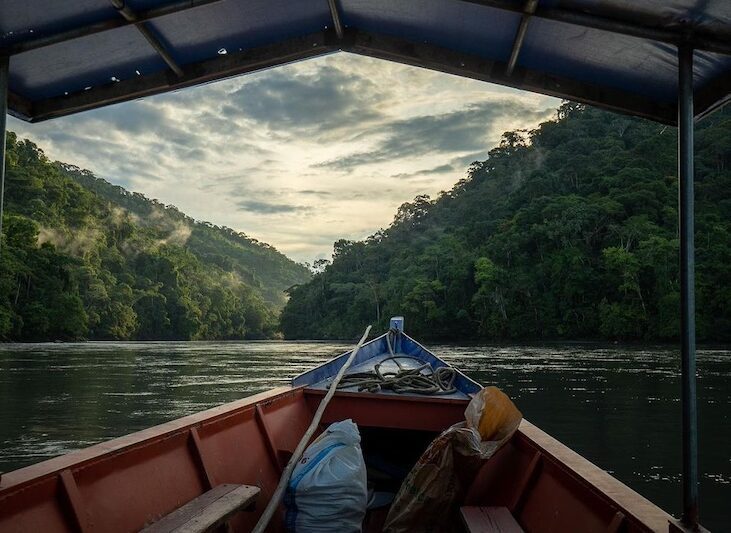
What to buy for the Amazon jungle in Peru
In places like Cusco, Puerto Maldonado, and Iquitos you can find:
- Basic repellent
- Ponchos
- Light clothing
Tip:
Bring strong repellent from home if possible.
Example outfit for the Peru Amazon jungle
- Quick-dry T-shirt
- Long lightweight pants
- Hiking shoes or rubber boots
- Hat
- Light rain jacket
What to pack in your daypack for the Amazon Jungle
- Water bottle
- Insect repellent
- Sunscreen
- Rain poncho
- Sunglasses
- Snacks
- Hat
- Camera / phone
- Small towel
Important tips for traveling in the Peru Amazon jungle
- Boat rides can be long and early mornings can feel cold
- Always follow your guide for safety
- Do not touch animals or plants
- Respect local communities and ask before taking photos
What to bring to Peru Amazon jungle for 3 to 6 day tours
Most travelers visit the Amazon for 3 to 6 days, staying in jungle lodges in Tambopata, Manu, or Iquitos. For this type of trip, you do not need much, but you need the right items.
Focus on light and practical gear. Bring quick-dry clothing, long sleeves, and comfortable walking shoes. Insect repellent is essential, and we strongly recommend bringing a high-quality one from your home country.
You will receive rubber boots during the tour, and in many cases a duffle bag for your belongings. This means you only need a small daypack for daily activities like jungle walks and boat trips.
Keep your luggage light. The jungle is humid, and you will not use many clothes. Laundry is not always available, so choose items that dry quickly.
Now you know exactly what to bring to Peru Amazon jungle for a comfortable and safe trip.
Peru Amazon jungle packing list (quick checklist)
Below you find a complete Amazon Peru packing list for Tambopata, Manu National Park, and Iquitos.
Clothing
- Quick-dry shirts
- Long-sleeve shirts
- Lightweight pants
- Rain jacket or poncho
Footwear
- Walking shoes
- Sandals
Essentials
- Strong insect repellent
- Sunscreen
- Hat
- Daypack
- Water bottle
Extras
- Power bank
- Dry bags
- Flashlight or headlamp
- Binoculars
With the right preparation, your Amazon experience will be comfortable, safe, and unforgettable.
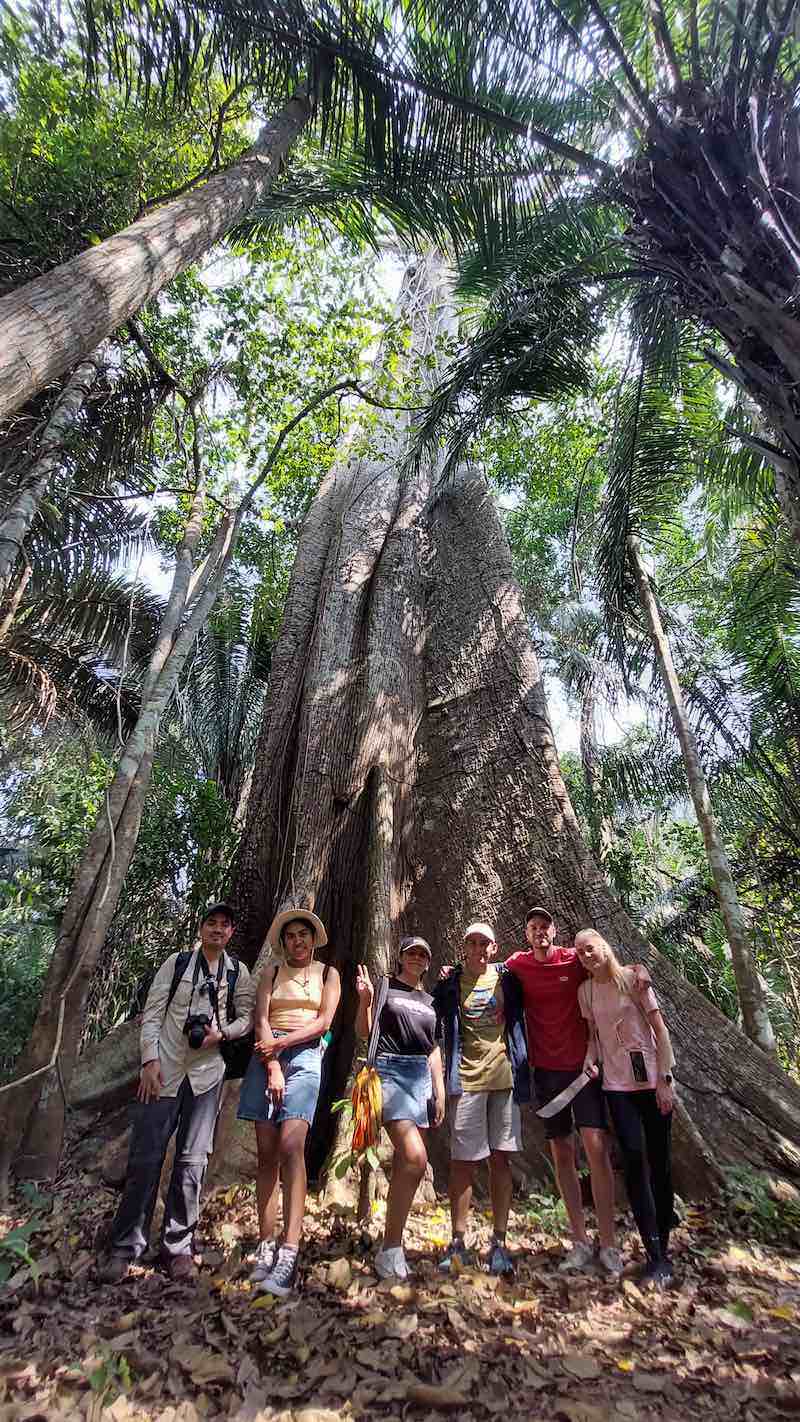
FAQ: what to bring to Peru Amazon Jungle
Do I need strong insect repellent?
Yes, this is one of the most important items. We recommend bringing repellent with 30% DEET or more from your home country.
Do I need hiking boots?
Not necessarily. Most tours provide rubber boots, but comfortable walking shoes are still recommended.
Can I buy gear and repellent for in the Amazon jungle in Peru?
Yes, but high-quality repellent and specific gear are easier to bring from home.
Is it cold in the Amazon?
Most of the time it is warm and humid, but early mornings on the river can feel cool.
Visiting more of Peru?
Now you know exactly what to bring to Peru Amazon jungle for a comfortable and safe trip.
If you are visiting more regions, continue with our guides:
Or read the complete overview here: