

If you are wondering what to bring to Peru Andes, this guide will help you prepare for Cusco, Machu Picchu, Huaraz, Colca Canyon, and Puno. The Andes in Peru have changing weather, with warm days and very cold nights, especially during the dry season (May–Sep), which is sunny but colder at night. It is important to use a layering system instead of one heavy jacket so you can adjust throughout the day. Good shoes, warm layers, gloves, and a hat are essential for comfort. The sun at altitude is very strong, so always use sunscreen even when it feels cold. Do not overpack, as you will move a lot between destinations. If needed, you can easily rent or buy gear in places like Cusco or Huaraz.
If you want a complete overview for all regions, read our full guide: what to bring to Peru.
Peru has three very different regions, and each one requires different preparation:
- What to bring to the Peru coast and desert
- What to bring to the Andes in Peru
- What to bring to the Peru Amazon jungle
Quick answer: what to bring to Peru Andes
- Layered clothing (base, mid, outer layer)
- Warm jacket for cold nights
- Waterproof jacket for rain
- Good walking or hiking shoes
- Sun protection (strong UV at altitude)
- Small backpack for daily use
This guide is based on real experience from organizing treks and tours in the Andes of Peru.
Traveling through the Andes of Peru is one of the highlights of any trip.
But it is also where most travelers feel unprepared.
The biggest mistake?
People expect stable weather. In reality, conditions can change quickly, even within one day.
This what to bring to Peru Andes guide helps you pack the right way for changing weather and high altitude conditions in regions such as:
- Cusco & Sacred Valley
- Machu Picchu
- Arequipa & Colca Canyon
- Lake Titicaca (Puno)
- Huaraz & trekking regions
Climate overview: Andes of Peru
Dry season (Winter)
May to September
- Sunny days with clear skies
- Very little rain
- Cold mornings and nights (often near or below 0°C at altitude)
Important:
Dry season = winter in Peru → nights are colder than in rainy season.
Rainy season (Summer)
December to March
- Frequent rain, especially in Cusco region
- Warmer nights compared to dry season
- Trails can be muddy
Shoulder months
April & October – November
- Mix of sun and rain
- Good balance, but unpredictable
This Andes Peru packing list is useful for destinations like Cusco, Machu Picchu, Huaraz, and Lake Titicaca.
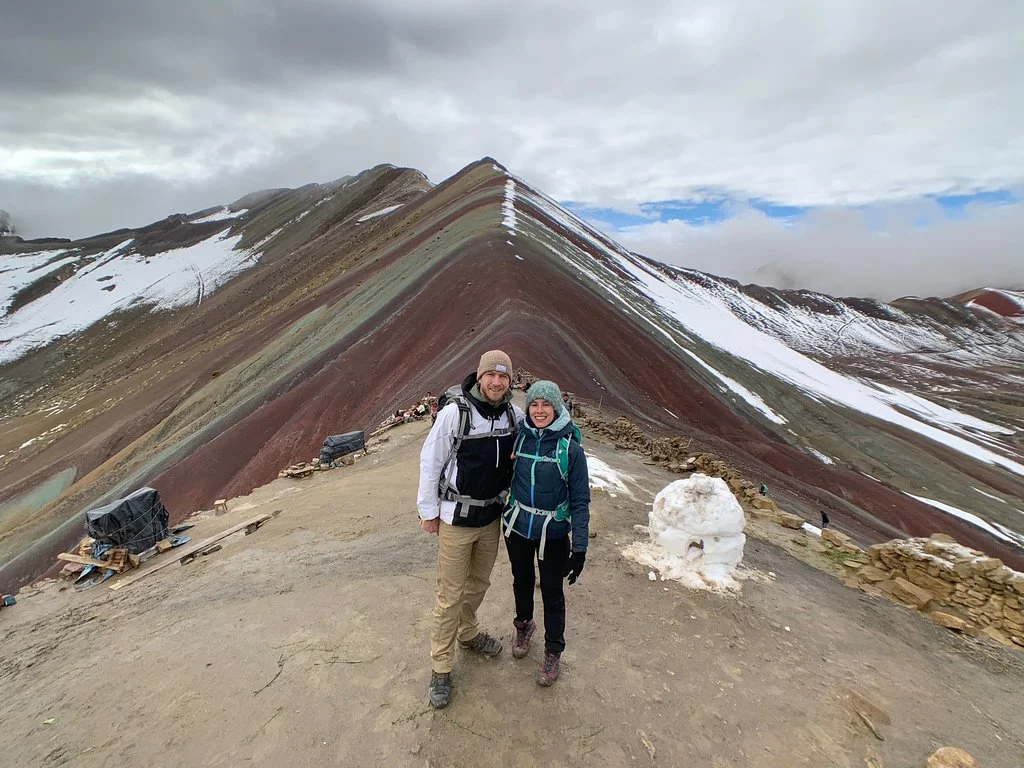
The golden rule: layering system
In the Andes, you should never rely on one thick jacket.
Instead, use layers:
Base layer
- T-shirt or thermal shirt
- Keeps sweat away from your skin
Mid layer
- Fleece or sweater
- Provides warmth
Outer layer
- Waterproof jacket or rain jacket
- Protects from wind and rain
Why this works:
You can easily adjust during the day as temperatures change.
If your trip includes multiple regions, we recommend reading our full Peru packing guide to prepare for all climates.
General packing (cities & day tours)
For places like Cusco, Sacred Valley, Colca Canyon, and Puno.
Clothing
- T-shirts (for daytime)
- Long-sleeve shirts
- Warm sweater or fleece
- Lightweight down jacket or insulated jacket
- Waterproof or windproof jacket
Lower body
- Comfortable pants
- Optional: thermal leggings (especially in dry season)
Footwear
- Comfortable walking shoes or sneakers
- Good grip is important (uneven streets and trails)
Essential accessories
- Sunglasses (very important at altitude)
- Sunscreen (SPF 30+)
- Hat or cap (sun protection)
- Warm hat or beanie (cold mornings/evenings)
Daypack
- Small backpack for daily use
- Water, snacks, layers, camera
If you are also visiting the Amazon or the coast, check our guides for the Amazon jungle and the coast of Peru.
Trekking packing guide (multi-day treks)
For treks like:
- Salkantay Trek
- Inca Trail
- Ausangate
- Huayhuash
- Santa Cruz
Clothing (trekking)
- Moisture-wicking T-shirts
- Thermal base layers
- Fleece or warm mid-layer
- Insulated jacket (down or synthetic)
- Waterproof jacket (essential)
Lower body
- Trekking pants
- Optional: thermal leggings for cold nights
Footwear (very important)
- Proper hiking boots or trekking shoes
- Good grip and ankle support
- Already broken in before your trip
Common mistake:
Bringing new shoes → causes blisters and discomfort.
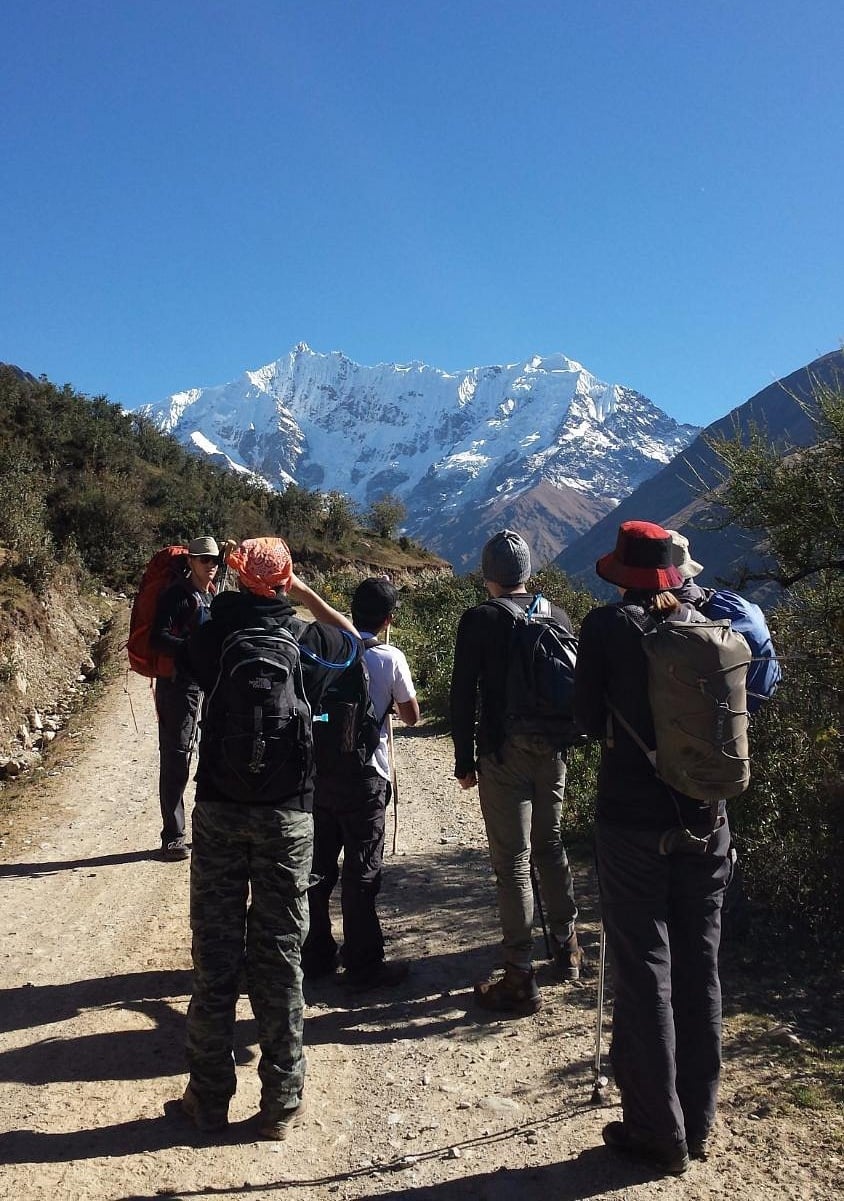
Accessories (often forgotten)
- Gloves
- Warm hat
- Buff or scarf
- Extra socks (important)
- Blister plasters (hard to find in Peru)
Daypack vs duffle bag (how it works)
On most organized treks (like yours):
- Duffle bag → carried by porters or horses
- Clothes, sleeping gear, personal items
- Daypack → you carry
- Water
- Snacks
- Rain jacket
- Camera
- Essentials for the day
Tip:
Keep your daypack light but complete.
Weather risks in the Andes
You can experience all of this in one day:
- Strong sun
- Cold wind
- Rain
- Even snow at high altitude
Always be prepared for changing conditions.
Sun at altitude (very important)
The sun is much stronger in the Andes.
Even if it feels cold:
- You can burn quickly
- UV levels are high
→ Always use sunscreen and wear sunglasses.
Altitude: what to bring & know
Altitude can affect anyone.
What to bring
- Personal medication (if needed)
- Basic pain relief
- Electrolytes
- Reusable water bottle or water (filter) system
Helpful tips
- Drink plenty of water
- Take it slow the first days
- Try coca tea (local remedy)
Important:
We are not medical professionals. Always consult your doctor before traveling if you have concerns.
Packing mistakes to avoid
These are very common in the Andes:
1. Not bringing enough warm layers
Even during sunny days, nights can be very cold.
2. Underestimating cold in dry season
Dry season has the coldest nights.
3. Forgetting gloves & hat
Small items that make a big difference.
4. Wrong footwear
Uncomfortable or new shoes can ruin a trek.
5. Overpacking
You do not need too much.
Laundry and gear rentals are available.
What NOT to bring
- Too many heavy clothes
- Fashion items you won’t use
- Large suitcases for treks
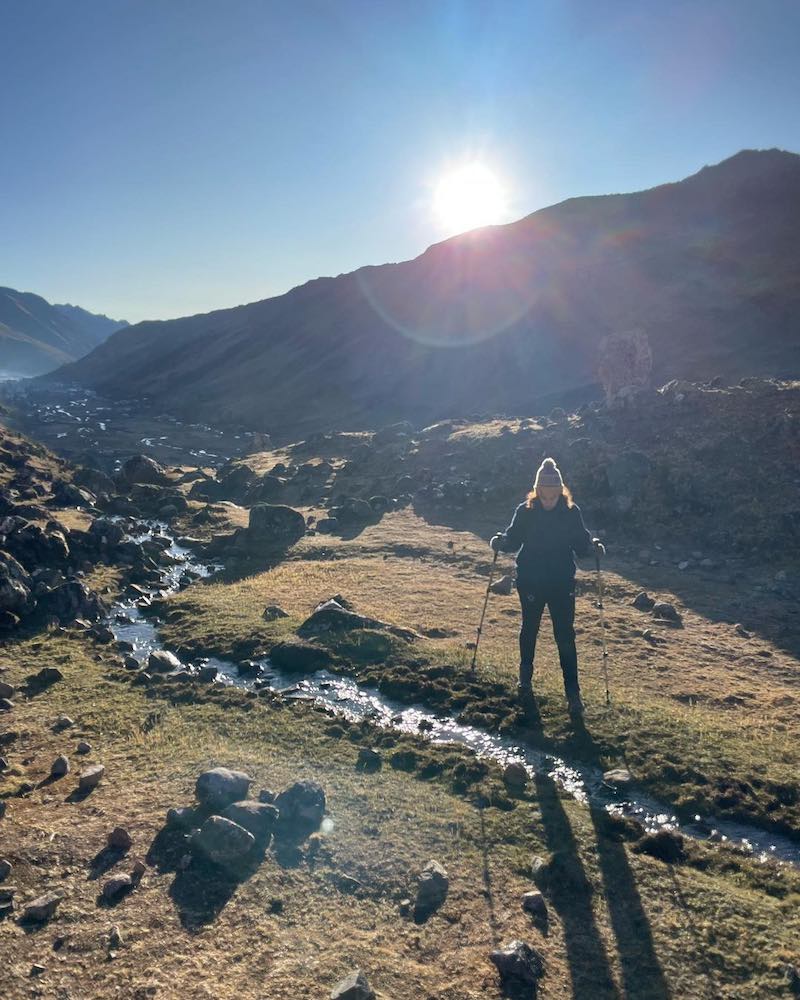
What you can rent or buy in Peru
In Cusco and Huaraz, you can easily rent or buy:
- Jackets
- Hiking poles
- Gloves and hats
- Trekking gear
Tip:
If you only need something once, renting is often the best option.
Important tip for your full Peru trip
Peru is very diverse:
- Coast → mild and dry
- Andes → cold and changing
- Amazon → hot and humid
You will need different clothing for each region. Knowing what to bring to Peru Andes is essential because temperatures and conditions can change quickly at high altitude.
Always bring a rain poncho, even in dry season.
Peru Andes packing list (quick checklist)
Below you find a complete Peru Andes packing list for trekking and city travel.
Clothing
- T-shirts
- Long-sleeve shirts
- Fleece or sweater
- Insulated jacket
- Waterproof jacket
- Comfortable pants
Trekking extras
- Thermal layers
- Hiking boots
- Extra socks
- Gloves
- Warm hat
- Blister plasters
Essentials
- Sunglasses
- Sunscreen
- Hat or cap
- Daypack
- Water bottle
Now you know exactly what to bring to Peru Andes for a comfortable and well-prepared trip.
If you are visiting more regions, continue with our guides:
Or read the complete overview here: